Nifty fell 1.64% to close at 22,231.80, while the Sensex declined 1.44% or 1,045.46 points to 71,593.24
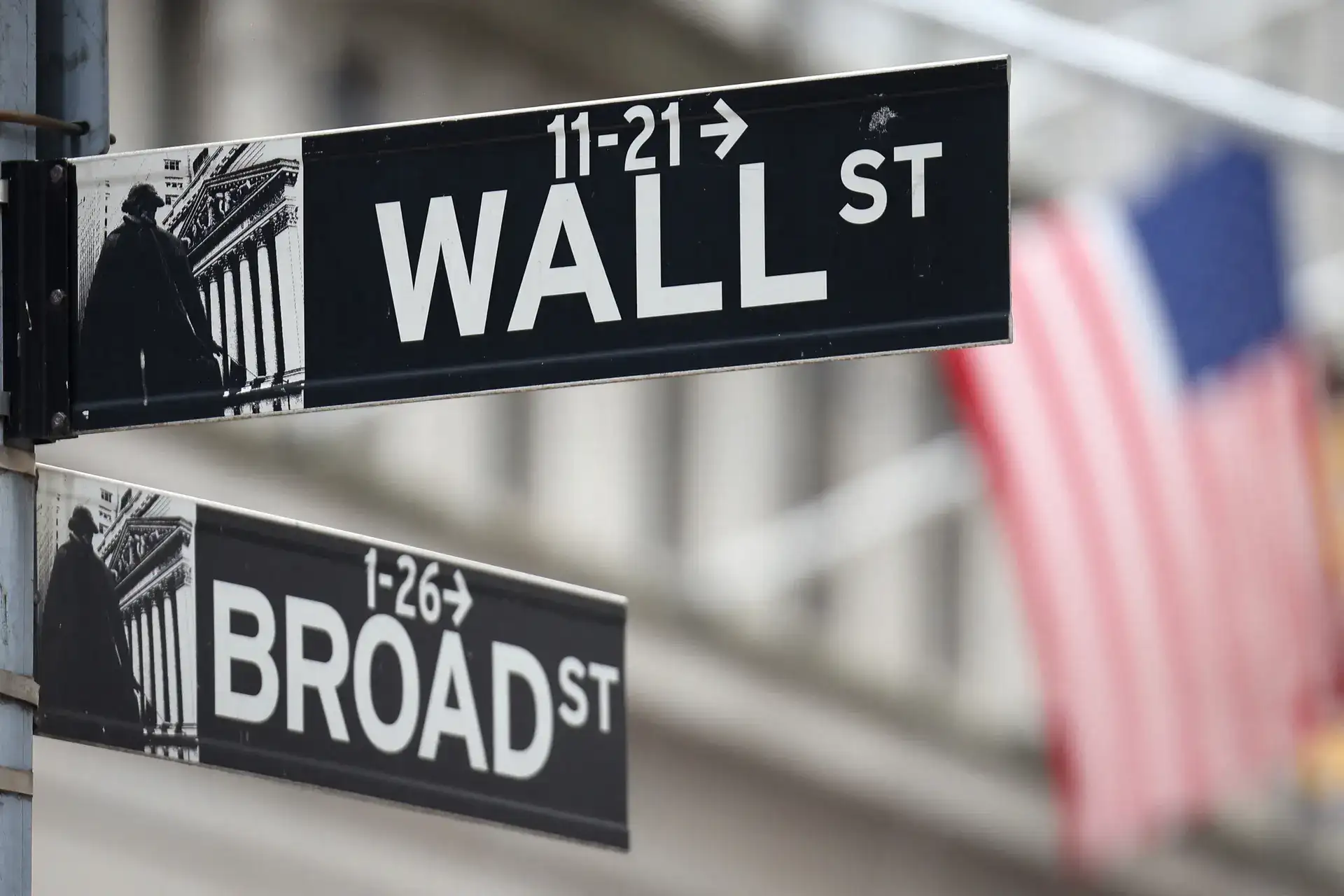
After a rocky start, the S&P 500 experienced a resurgence, largely spurred by investments in the healthcare and consumer segments. Investors seemed to distance themselves from technology stocks, anxious about mounting debts in the AI sector. Eli Lilly and UnitedHealth rose thanks to favorable evaluations from Deutsche Bank, whereas Broadcom and Nvidia struggled.
A cruise missile was intercepted by the Saudi-led coalition in Medina, which is a significant religious site. The Houthis refuted claims of targeting the region, maintaining their promise to avoid holy cities. Recent attacks by Houthis have increasingly targeted Saudi Arabia, with notable strikes in Riyadh. Consequently, a planned EU-Gulf summit in Riyadh has been postponed due to ongoing tensions.
US President Donald Trump will decide on the Sanctioning Russia and Iran Act affecting India's oil purchases. The US ambassador indicated that discussions would continue during Secretary of State Marco Rubio's upcoming visit. India has expressed concerns that tariffs could harm bilateral relations amidst ongoing trade negotiations. While progress has been made, remaining issues need resolution before a trade deal can be finalized.
Ukraine has returned to attacking Russian oil refineries after President Volodymyr Zelenskyy stated that patience had worn thin. The ceasefire on energy targets, which was supported by Donald Trump, is effectively over due to Russia's continued attacks. Six Russian Su-34M military aircraft have been damaged in a Ukrainian strike. Meanwhile, Russian diesel exports are starting to reach global markets as the Kremlin announces a new agreement.
A selloff in risky AI-linked stocks eased as buyers returned to technology amid falling bond yields. CoreWeave experienced significant stock declines and bond yield concerns raised worries about rising financing costs. Major AI laboratories like Anthropic and OpenAI reflected slowing growth, contributing to overall investor nervousness. Stock movements varied among leading companies as interest rates influenced market dynamics.
Two Tata trusts, Sir Dorabji Tata Trust and Bai Hirabai Jamsetji Tata Navsari Charitable Institution, challenge Mehli Mistry's objections. Mistry claims irregularities in trustee appointments, while the trusts deny any illegal actions. Both trusts assert that his term expired and he no longer qualifies as a trustee. Additionally, the BHJTNCI seeks to replace its reporting trustee, leading to further legal disputes. Proceedings on these matters are set for November 5.
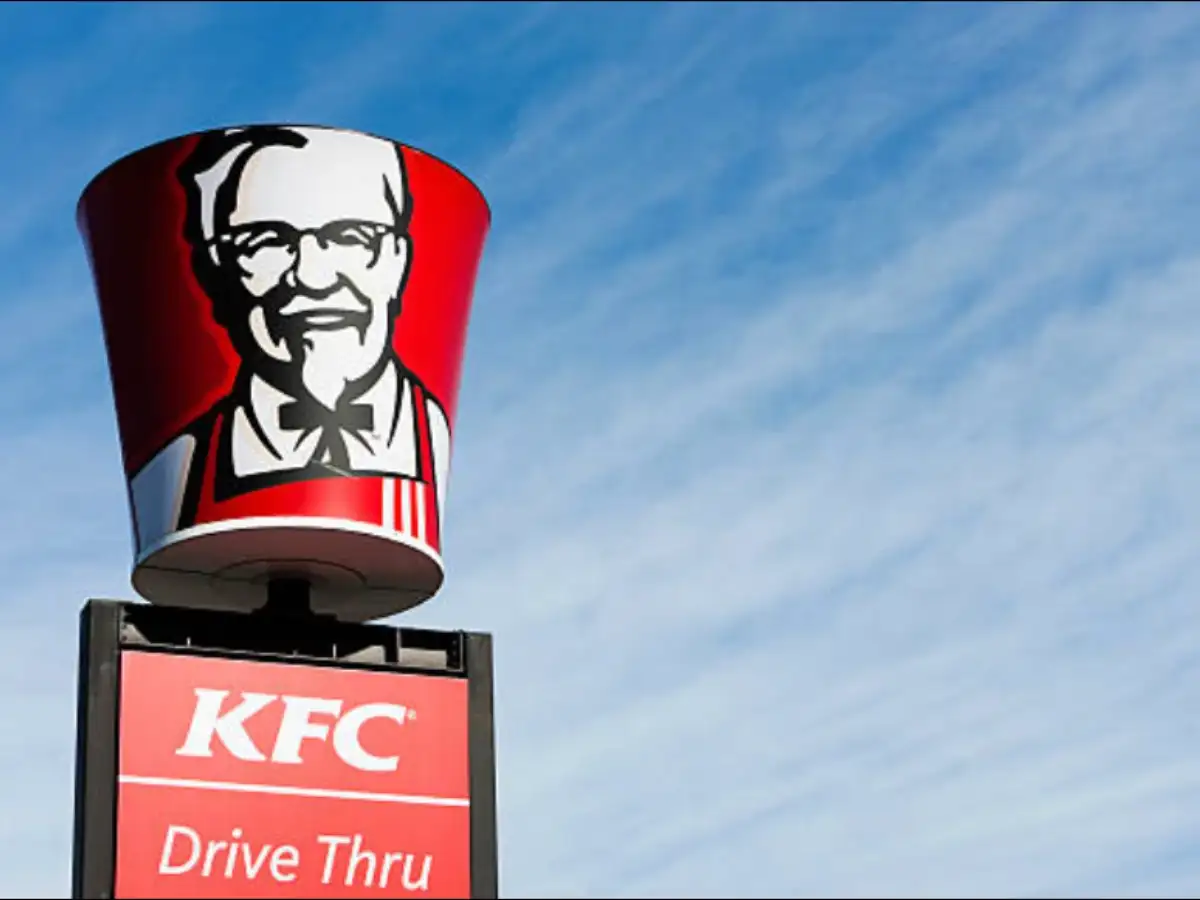
KFC has officially signed a partnership agreement with Coca-Cola to provide beverages at its restaurants. This deal marks the end of KFC's long-standing relationship with PepsiCo, which is facing sales challenges. Coca-Cola products will be available in KFC locations across the United States starting in spring 2027. The announcement was first reported by The Wall Street Journal, indicating significant industry changes.
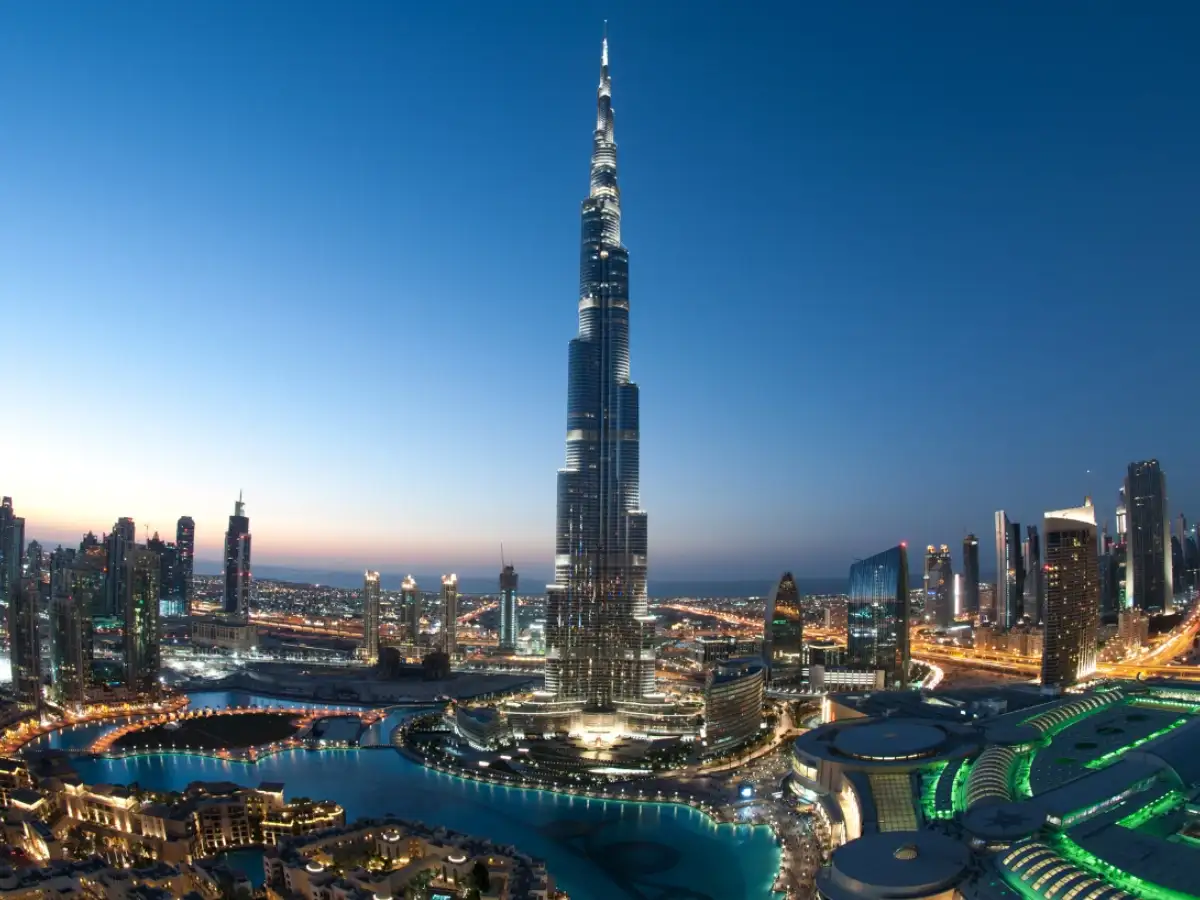
Dubai is advancing a significant $1.4 billion real estate project, which includes hotels and office spaces. Although property transactions have been impacted by regional tensions, prices remain relatively stable in the market. H&H Development has begun construction with a workforce of 30,000 on-site, aiming for completion by 2028. Despite lower sales, about 85% of the branded residences have been sold for high prices.
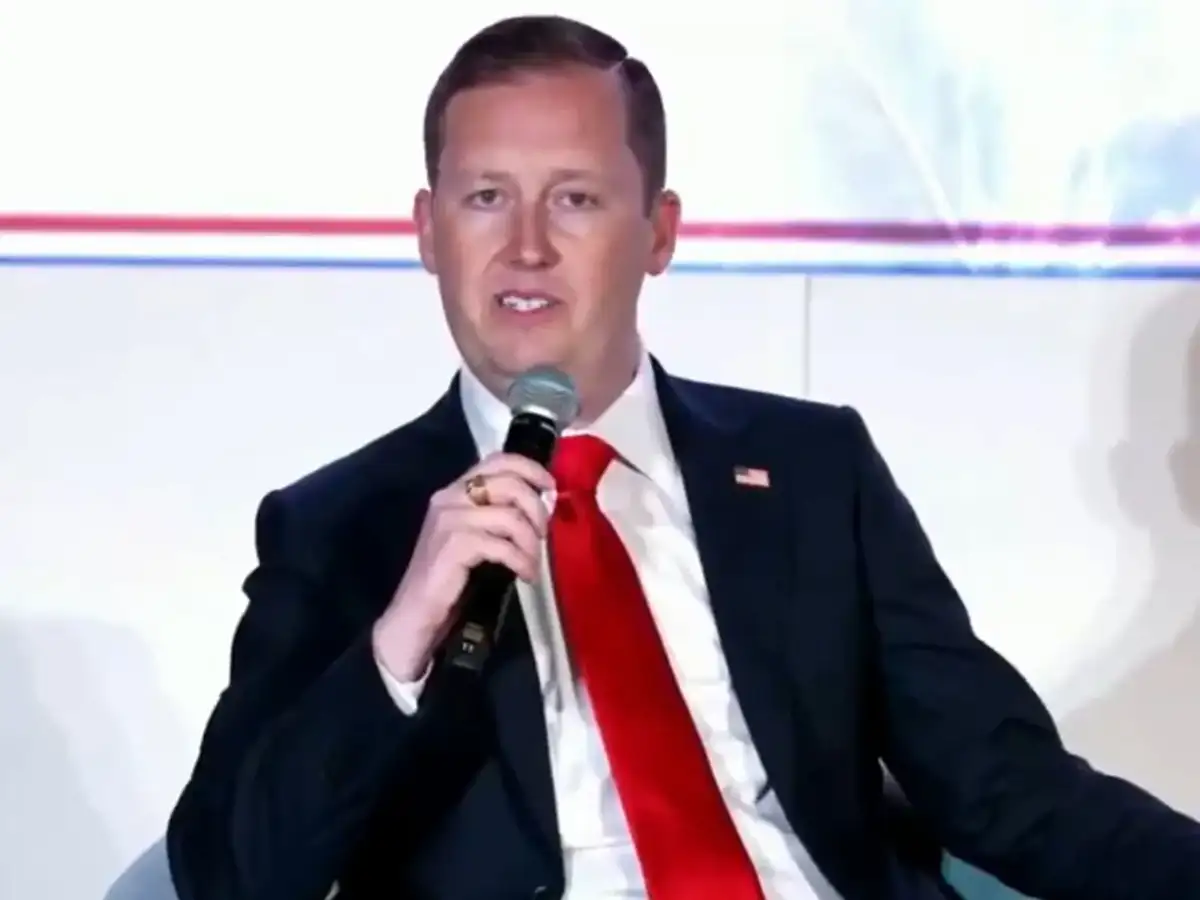
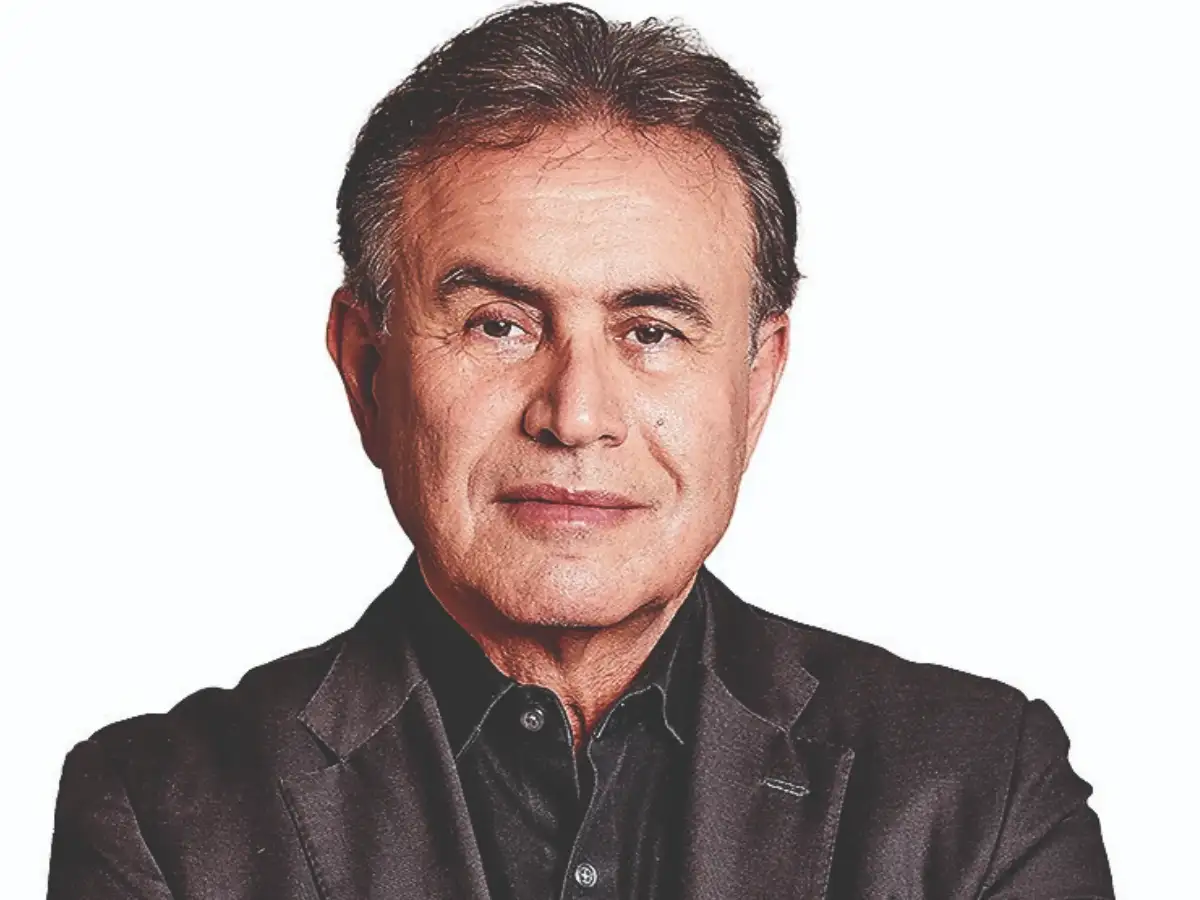
Nouriel Roubini highlighted the significance of India's emerging economy during a recent event in Dubai. As the US seeks a constructive trade relationship with India, economic pressure is expected to guide policymaking. India is seen as vital due to its large domestic market and skilled workforce. The country needs to achieve near 9% growth to address job creation challenges amid AI advancements.
Margarita M. Balmaceda examines the hidden dynamics of energy dependency between Russia and other nations. The discussion highlights Russia's role as a 'Trojan horse' in energy politics. Recent diesel deals between the US and Russia may have limited short-term benefits for American consumers. Additionally, the implications of these deals could adversely impact Ukraine's situation. This situation reflects a troubling double standard in international energy relations.