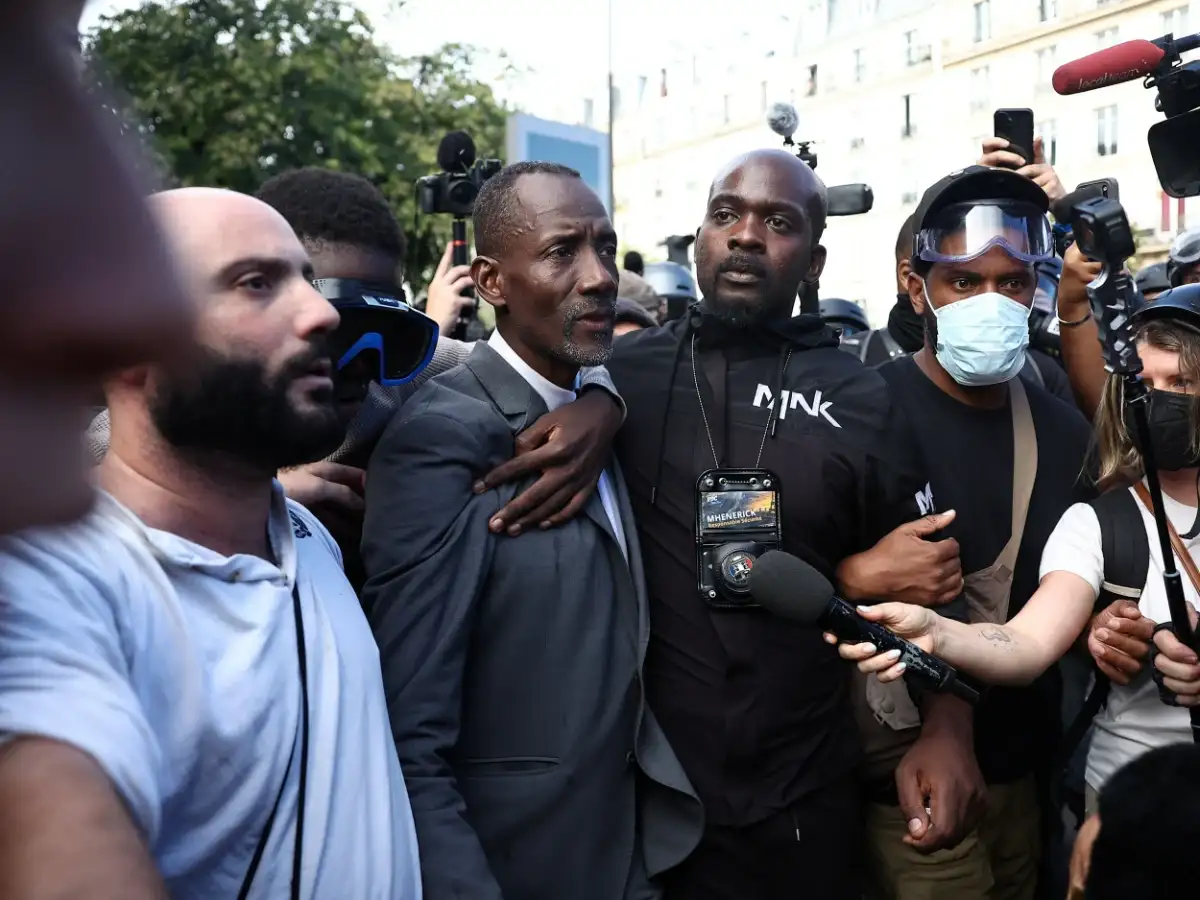
Mayor Bally Bagayoko stood with students during protests in Saint-Denis against education issues and police violence. Demonstrators, primarily from marginalized suburbs, have faced severe police responses leading to many injuries and arrests. Bagayoko criticized the government's failure to uphold equality in education while calling for more investment and taxing billionaires. As protests continue, the government promises to review student demands and respond by the end of October.
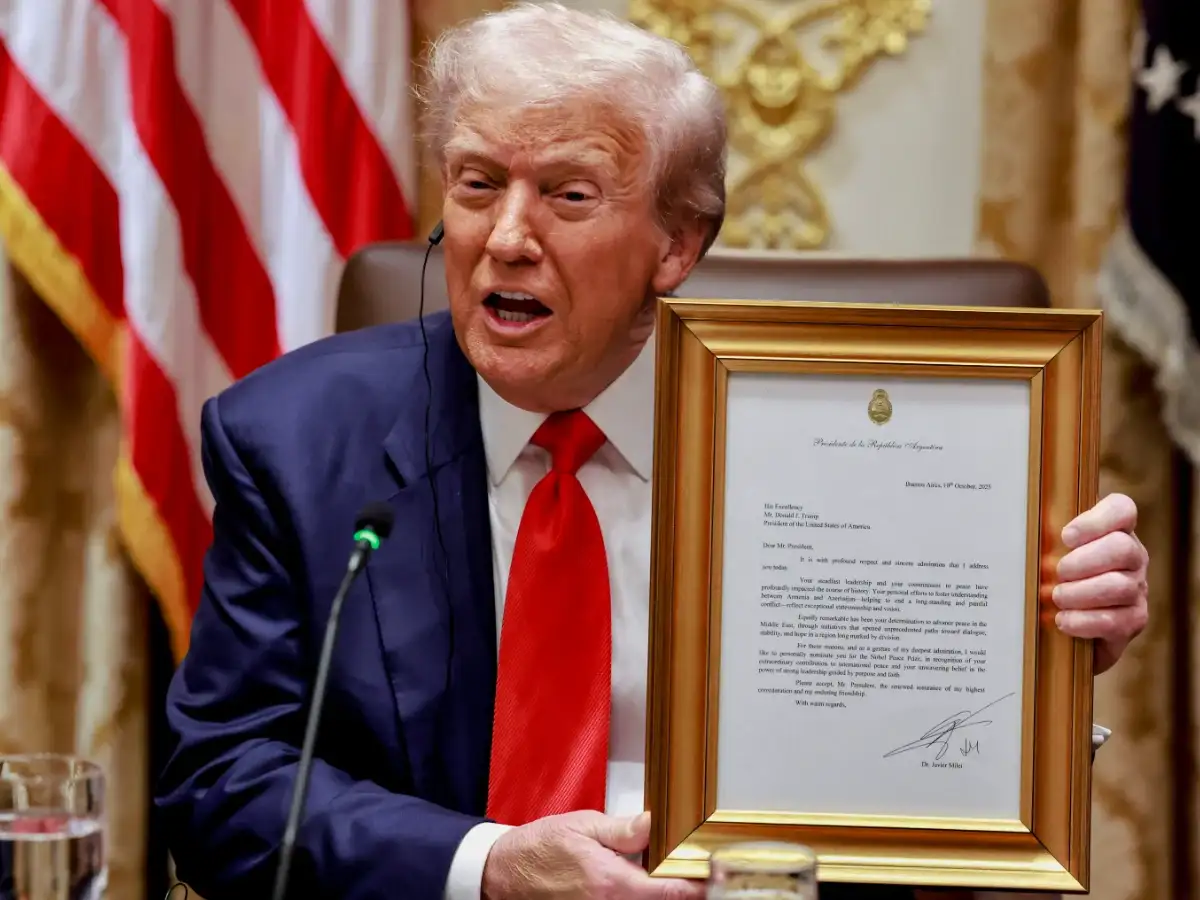
US President Donald Trump has asserted that he should win the Nobel Peace Prize this year. He expressed uncertainty about the committee's decision and mentioned past nominations from leaders of several countries. Trump believes his involvement in conflicts warrants recognition, despite disputes from parties about his diplomatic role. The Nobel Peace Prize announcement is set for Friday, highlighting the contrasts in global peace efforts.
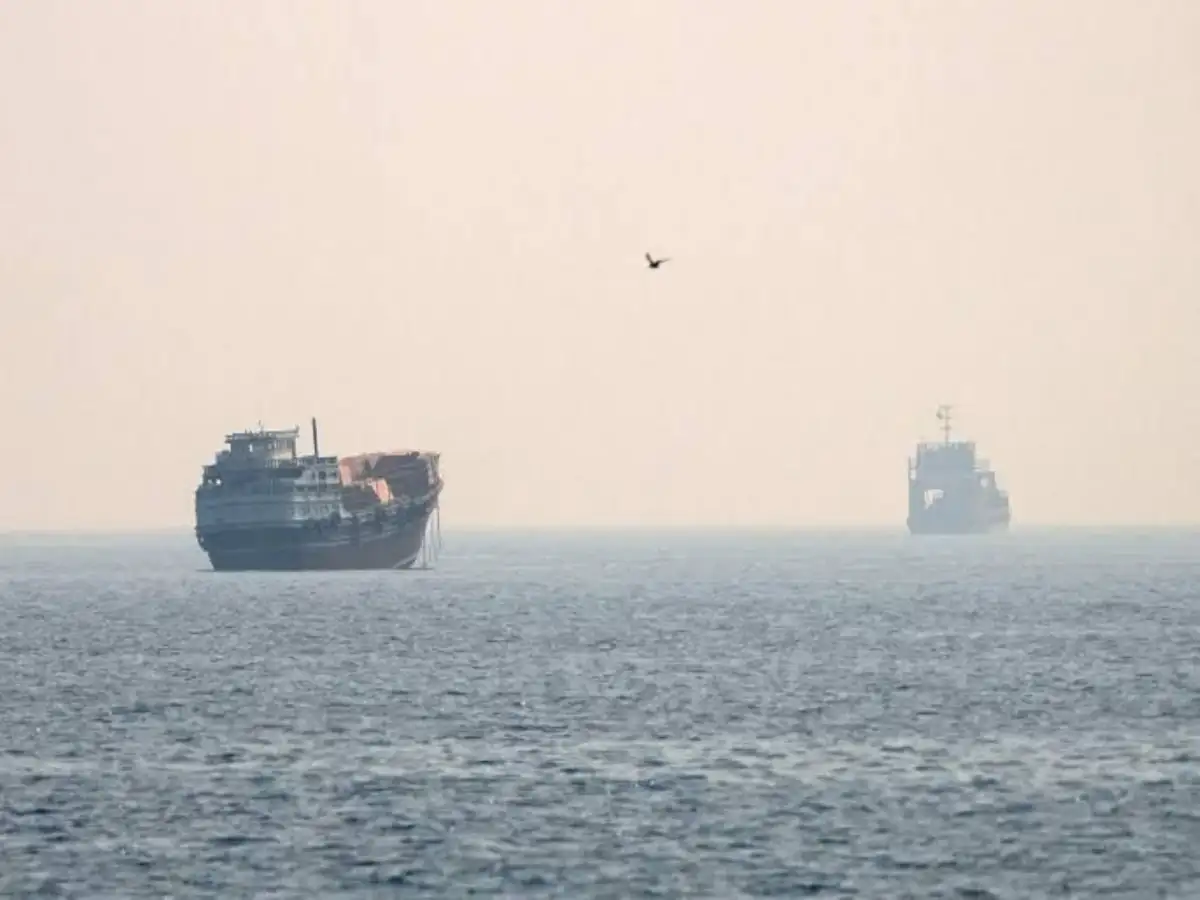
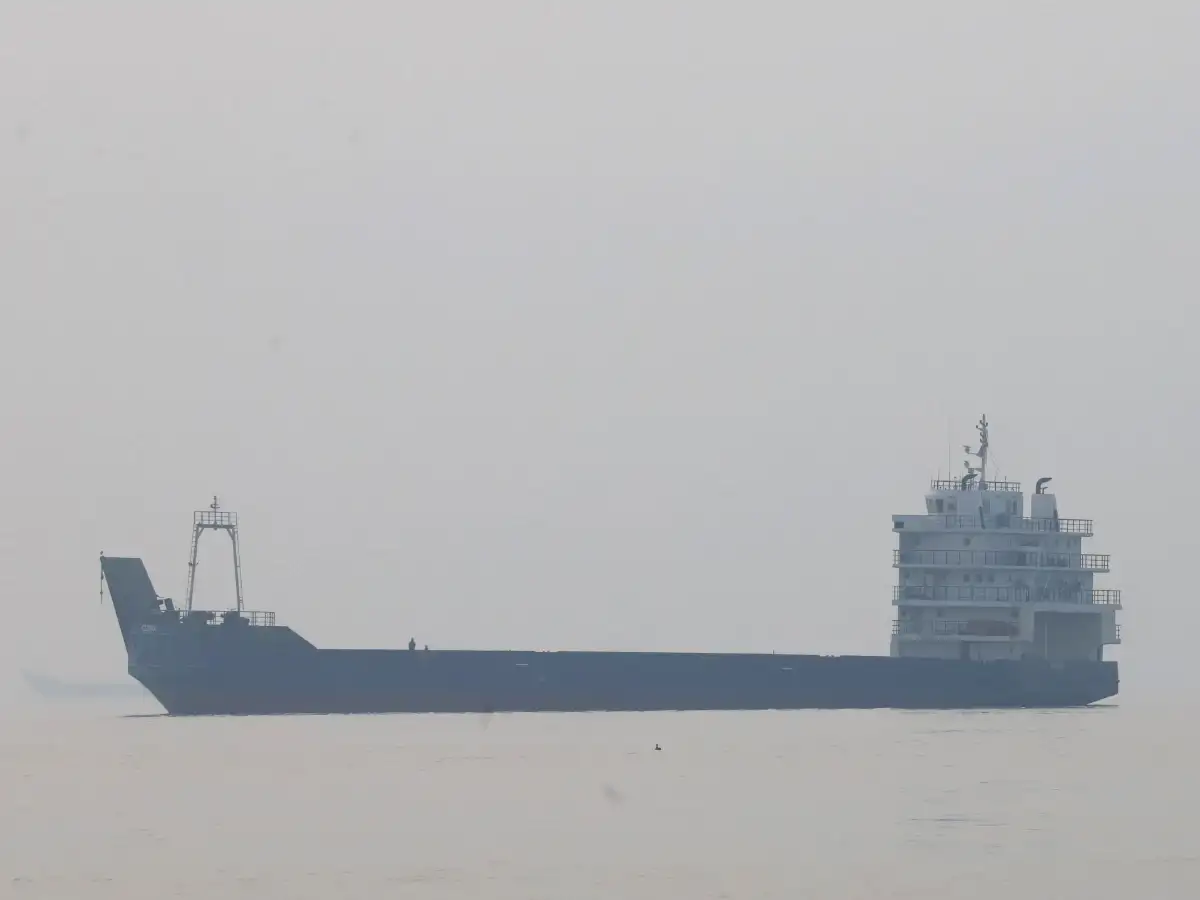
US Central Command has rejected Iran's assertion that the Strait of Hormuz is closed, stating that traffic continues. Commercial and energy traffic flows through the waterway, including substantial oil shipments. Iranian officials have expressed their commitment to ensuring security in the Strait and have proposed a peace plan to the United States. Tensions in the region remain high as military actions and diplomatic discussions unfold.
Iran's Revolutionary Guards have announced intentions to close illegal transit routes in the Strait of Hormuz. These routes allegedly facilitate oil smuggling operations and affect regional oil exports. Iranian officials maintain that the Islamic Republic has full control over this vital waterway. The situation will persist until Iran's demands are met, according to military advisers.
Trump has instructed the Pentagon to prepare for possible military strikes against Iran, but no final decision has been made. The US military is focusing on possible targets in Iranian infrastructure and nuclear capabilities. Discussions about the situation are ongoing with Israeli officials, emphasizing the potential for renewed combat operations. Timeframe for operations may be influenced by upcoming elections in both the US and Israel.
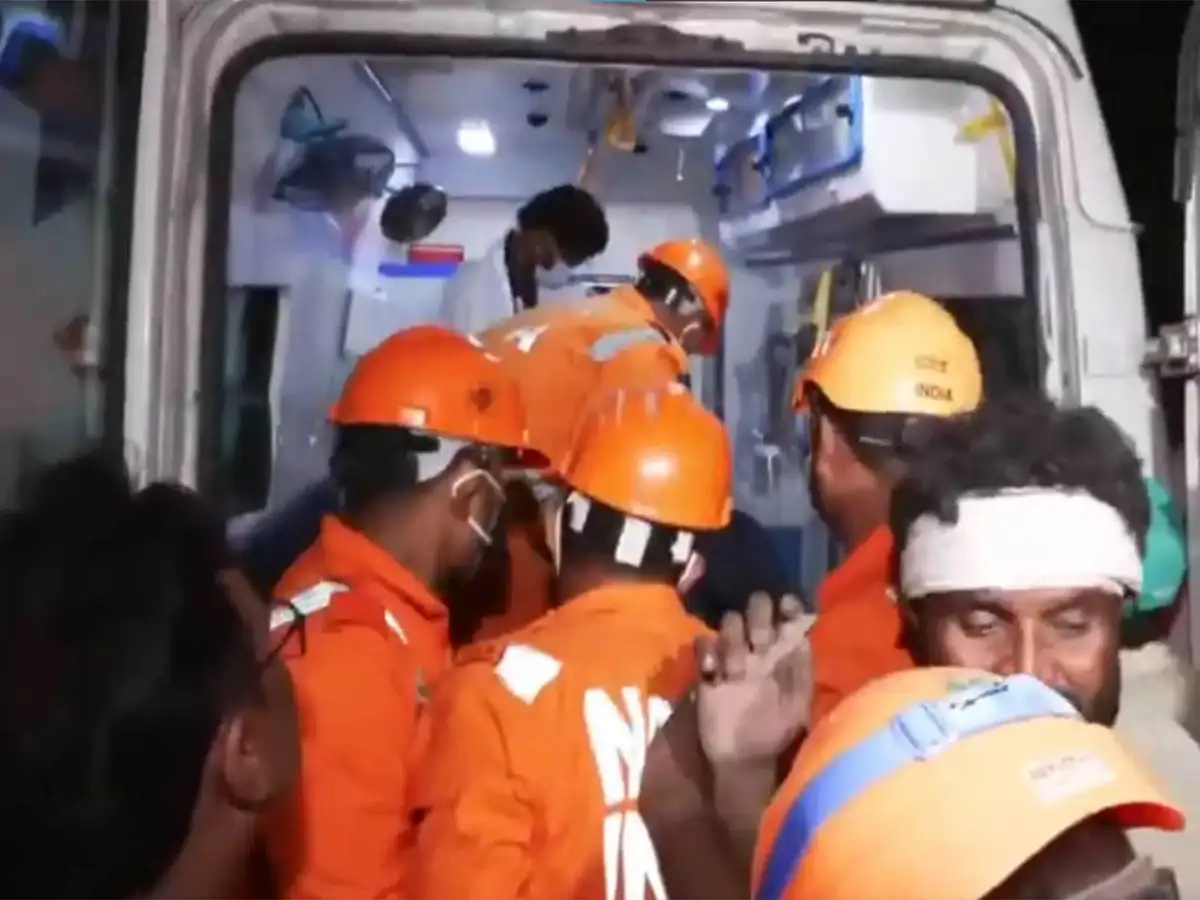
A four-storey building collapsed in Delhi's New Seemapuri area, leading to the deaths of four individuals. Eight injured people were rescued from the wreckage and transported to the hospital for treatment. Rescue operations are still taking place, with teams from various agencies actively searching for more potential victims. Witnesses reported that nearby demolition work may have contributed to the building's collapse.
Plague, caused by Yersinia pestis, continues to exist today and mostly affects regions in Africa. Human cases in the U.S. are quite rare, averaging around seven annually in rural Western areas. Symptoms differ among plague types, including bubonic and pneumonic, and quick medical intervention is crucial for recovery. Plague can spread through bites and infected bodily fluids, demanding careful handling of sick animals.
Amazon has confirmed recent job cuts affecting employees in its Stores unit during a major sales event. The layoffs are part of a series of reductions following a larger workforce decrease that started last year. A spokesperson indicated the adjustments aim to align better with the company’s priorities and efficiency. Jeff Bezos attributed the ongoing job losses to overhiring during the pandemic.
The Securities and Exchange Board of India is introducing a mandatory colour coded credit risk-o-meter for debt securities. This new meter categorizes credit risk into six color-coded levels, indicating risk levels accurately. Issuers and online bond platforms will need to adopt these disclosures in their documentation. The measures aim to improve transparency in the investment process for potential investors.
The International Monetary Fund has achieved a staff-level agreement with Pakistan for its lending programs. This agreement could potentially unlock $1.21 billion pending board approval from the fund. If approved, the financing will enhance Pakistan's foreign exchange reserves and aid in meeting debt repayments. However, risks remain due to geopolitical tensions and fluctuating energy prices impacting the nation. The IMF emphasizes the importance of ensuring macroeconomic stability amid these challenges.